
Elden Ring Nightreign: A Standalone Roguelike Co-op Experience from FromSoftware
Elden Ring Nightreign, FromSoftware's daring roguelike, delivers thrilling three-player co-op and relentless, atmospheric challenge.
FromSoftware, the acclaimed developer behind the monumental success of Elden Ring, is venturing into a new genre with Elden Ring Nightreign. As of 2026, this title stands as a bold, standalone experiment—a three-player cooperative roguelike set in a dark, dreamlike world entirely separate from the Lands Between. This is not a direct sequel, nor is it a live-service project, but a concentrated dose of the studio's signature challenge and atmosphere, reimagined for intense, session-based gameplay. Is this a new frontier for Souls-like design, or a niche detour for the dedicated few?

🎯 Core Gameplay Loop and Objective
The premise of Elden Ring Nightreign is stark and urgent. Players, whether solo or in a team of three, are dropped into a hostile, ever-changing realm with a single, relentless objective: survive for three in-game days and defeat a powerful boss known as the Night Lord before the final day ends. Each run is designed to be a compact, high-stakes adventure lasting approximately 30 to 45 minutes. Failure to vanquish the Night Lord in time results in a run's end, regardless of how deep into the world you've ventured. This creates a constant, palpable tension—do you spend precious time exploring for power, or do you rush toward your ultimate goal?
👥 Character Selection and Co-op Dynamics
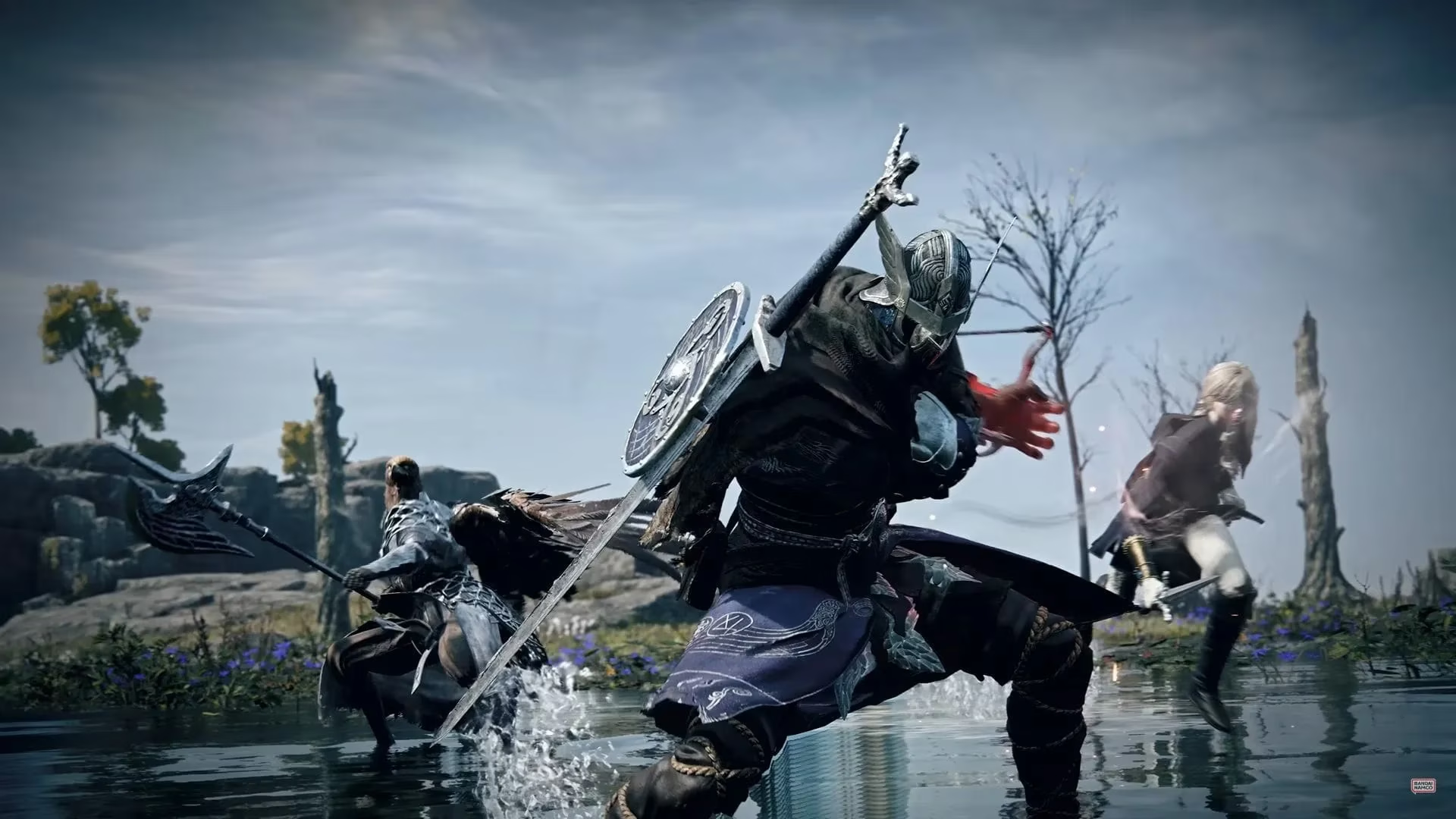
Every new run begins with a critical choice: selecting one of eight unique characters. Each character comes with a distinct arsenal, abilities, and starting kit, fundamentally shaping the playstyle. From nimble spellcasters to heavy-hitting warriors, the roster encourages experimentation and team composition strategy in co-op.
-
Strictly PvE Focus: The game is designed purely for player-versus-environment cooperation. You can revive fallen allies during a run, fostering teamwork, but there is no PvP component. The world itself is the adversary.
-
Three-Player Synergy: The co-op experience is built for a trio, suggesting encounters and world design that may demand coordinated tactics and role-playing.
🌍 The Procedural World and Progression
Upon starting a run, players are plunged into a randomly generated region tied to the chosen Night Lord. The mission is to explore this shifting landscape, scavenge for loot, battle enemies, and defeat multiple regional bosses to grow stronger for the final confrontation.
| Run Element | Description | Persistence |
|---|---|---|
| Map Layout | Randomly generated each run | ❌ No |
| Loot & Enemies | Randomized placement and types | ❌ No |
| Character Level/Items | Gained during the run | ❌ No (reset on death/failure) |
| Relics | Permanent character upgrades | ✅ Yes |
The key to long-term progression lies in Relics. These are permanent, character-specific upgrades unlocked over time and earned through gameplay. Between runs, players can equip these Relics to customize their starting build, enhancing stats or granting new passive skills. This system provides a meaningful sense of advancement, softening the harsh reset of the roguelike format without removing its core challenge.
⚔️ Evolved Combat and Legacy Enemies
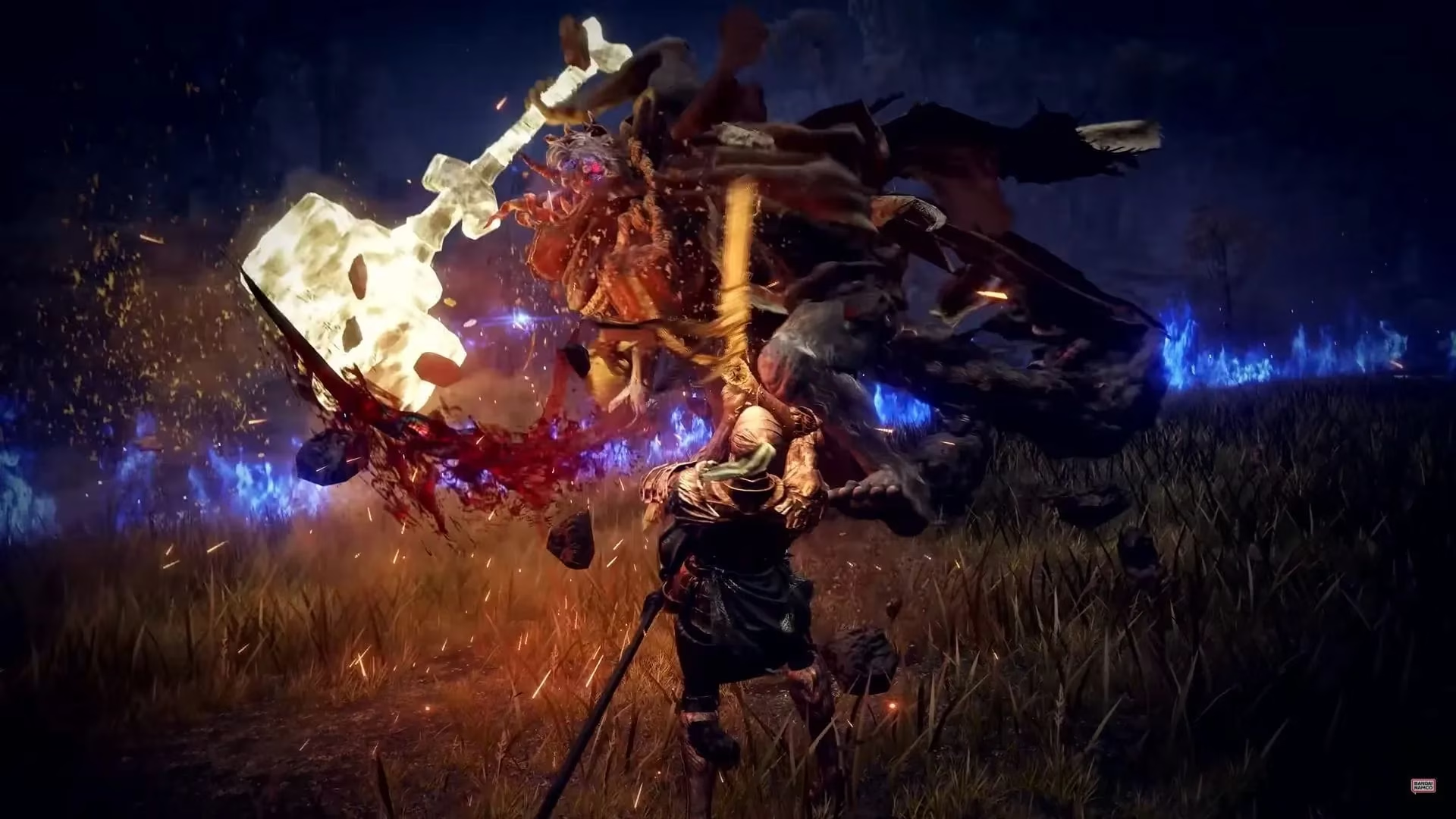
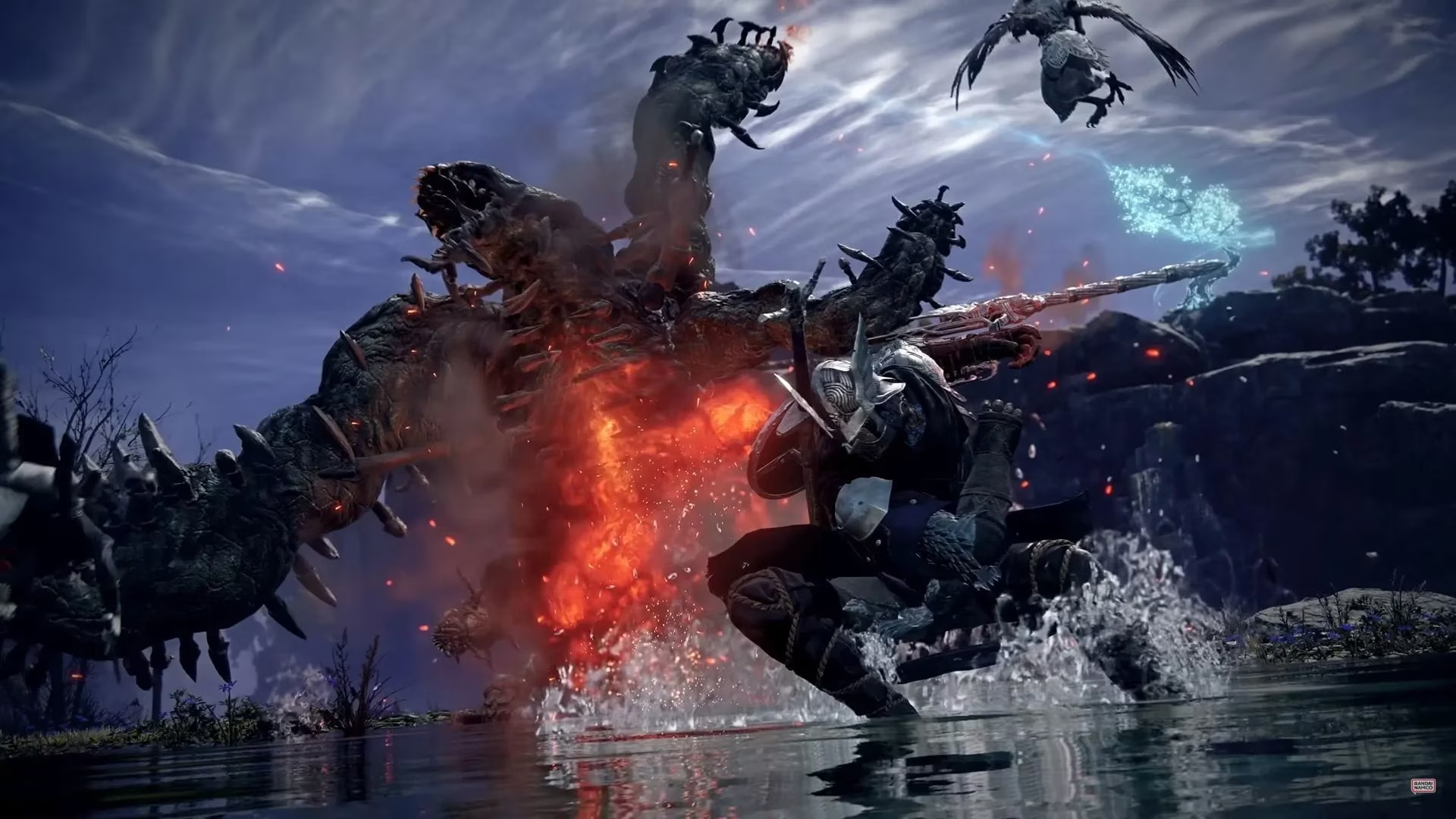
Combat in Nightreign evolves the formula established in Elden Ring. It is described as more agile and aggressive, with faster movement speed while retaining the deep melee and magic systems fans expect. The game introduces:
-
New enemy types designed for its unique world.
-
New weapons and gear to discover during runs.
-
"Legacy bosses" from previous FromSoftware titles, reimagined and integrated into the Nightreign universe. This offers a thrilling prospect for series veterans.
💰 Business Model and Content
In an era dominated by live-service games, Elden Ring Nightreign takes a refreshingly traditional approach. It is a complete, one-time purchase with no battle passes, rotating events, or gameplay-affecting microtransactions. An optional cosmetic progression system exists, allowing players to unlock emotes and outfits using Murk, a currency earned solely by playing the game.
The Deluxe Edition will include additional content updates, delivered in the same one-time purchase format, ensuring all players receive the same core experience without fragmentation. How will this model be received in the current gaming landscape?
🎮 Final Overview and Key Takeaways
Elden Ring Nightreign represents a fascinating pivot for FromSoftware. It distills the studio's expertise in world-building, combat, and punishing difficulty into a focused, repeatable roguelike co-op format.
✨ Key Features at a Glance:
-
Genre: Standalone 3-player co-op Roguelike (PvE only).
-
Core Loop: Survive 3 in-game days (~30-45 min) & defeat the Night Lord.
-
Progression: Randomized runs with permanent unlocks via Relics.
-
Combat: Faster, more aggressive iteration of Elden Ring's system.
-
Content: Eight distinct characters, legacy bosses, new gear.
-
Business Model: One-time purchase, no live-service elements.
As of 2026, the game promises a dense, challenging experience for those seeking the essence of Souls-like gameplay in a more accessible, session-based package. Will its roguelike structure and cooperative focus attract a new audience while satisfying hardcore fans? Only time, and countless attempts to survive the three-day nightmare, will tell.
Data referenced from OpenCritic helps contextualize how a standalone spin like Elden Ring Nightreign may land with players who expect FromSoftware’s trademark difficulty but in a tighter, 30–45 minute roguelike loop. By comparing critical patterns across co-op action and roguelike releases—especially how reviewers weigh run-based progression, replayability, and onboarding friction—its aggregation lens underscores why Nightreign’s “three-day” timer, reset-on-failure structure, and permanent Relic upgrades could be praised for focus yet scrutinized for long-term variety and solo viability.