
Elden Ring Nightreign's Libra Boss Revolutionizes Multiplayer Challenges
Elden Ring Nightreign's brutal boss Libra Nightlord redefines FromSoftware's challenge, emphasizing teamwork, strategic choices, and environmental awareness for ultimate survival.
The latest gameplay reveals for Elden Ring Nightreign showcase an unprecedented level of difficulty that redefines FromSoftware's signature boss battles. Libra Nightlord emerges as a brutal wake-up call—a multi-phase encounter demanding perfect coordination between Nightfarers. Unlike anything in the base game or Shadow of the Erdtree, this celestial horror introduces mechanics that punish solo attempts while forcing players to rethink combat fundamentals. The IGN team's reported two-day struggle against Libra signals a seismic shift where teamwork isn't advantageous—it's mandatory for survival in Nightreign's golden-sigiled arenas. 🌌
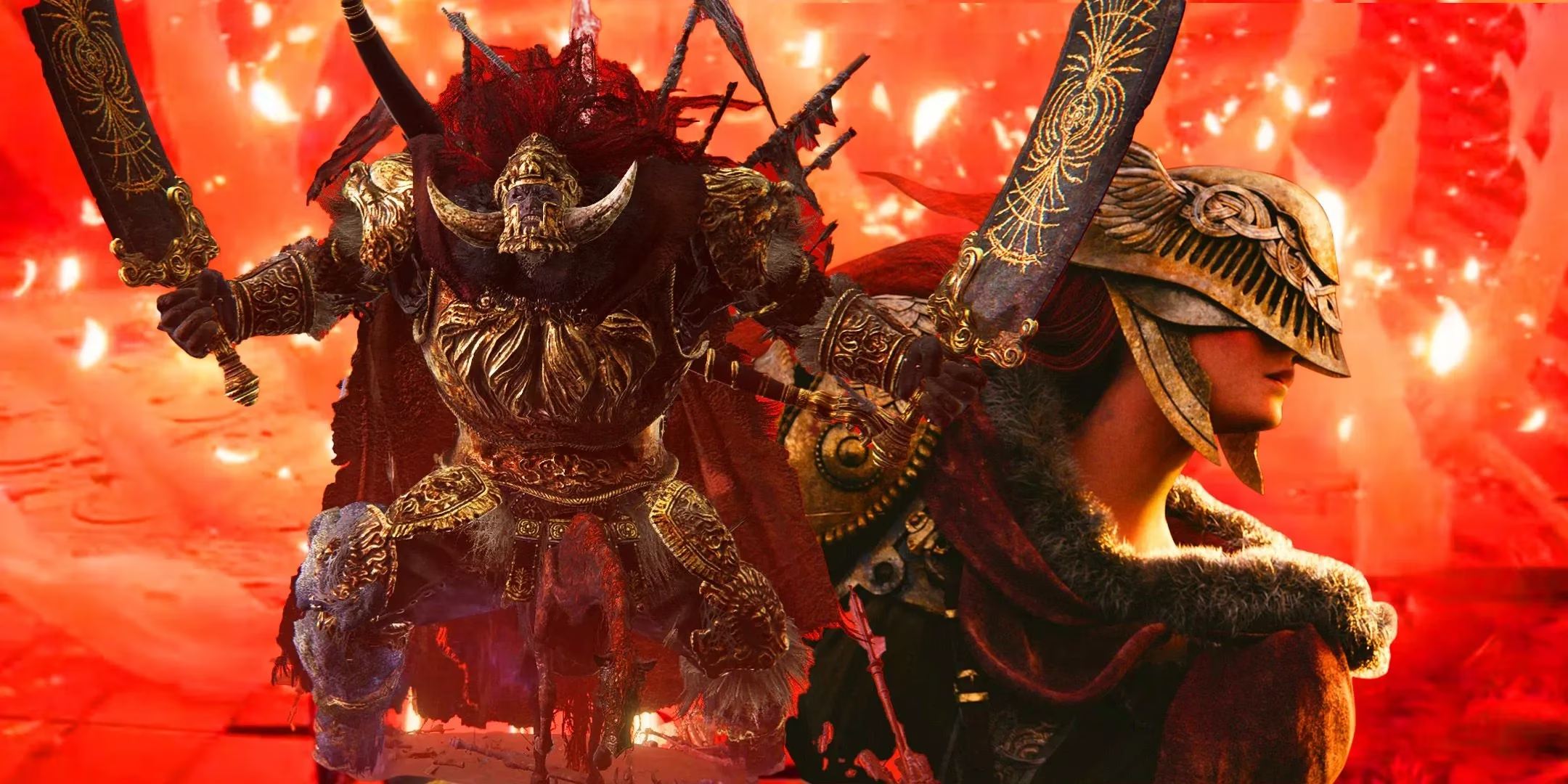
The Scale-Bearing Merchant's Risky Gambits
Right before combat erupts, a mysterious merchant appears—offering devilish bargains that set the tone for Nightreign's high-stakes philosophy. Players choose between:
-
⚔️ Attack-boosting elixirs with crippling defense penalties
-
🛡️ Damage-negating auras slowing movement speed
-
💀 Status immunity trading HP regeneration
Opting out leaves you underpowered against Libra's frenzyflame onslaught. This opening gambit forces immediate team strategy discussions—a brilliant tension-builder absent in previous Souls titles.
Two Phases of Controlled Chaos
Libra's first phase overwhelms with spell-barrages:
-
Machine-gun frenzyflame projectiles in expanding spirals
-
Ground-targeted golden explosions requiring constant repositioning
-
Teleportation combos breaking target locks
The transition triggers a terrifying metamorphosis—Libra's limbs elongate into bladed instruments as berserk lunges replace spellcasting. This shift demands reactive role-switching: ranged attackers become sudden melee tanks while healers scramble to counter madness buildup. 😱
Environmental Mechanics That Bite Back
Innovative interactive elements sound helpful but hide traps:
-
🎯 Madness-mitigating orbs drop when hitting Libra—if you survive grabbing them amid AoE storms
-
💥 Golden sigils materialize before ultimate attacks, requiring coordinated destruction
-
🌪️ Stage hazards activate during phase transitions
These seemingly assistive mechanics become cruel tests of spatial awareness. New players often fixate on collecting orbs only to eat devastating cleaves. First-timer ignorance about sigils frequently causes party wipes—a brutal learning curve!
The Real Boss: Team Coordination
Nightreign's revolutionary difficulty stems not from Libra's moveset complexity, but mandatory synchronization:
-
One uncoordinated player triggers chain-reaction failures
-
Ultimate attack cancels require pixel-perfect timing from all three Nightfarers
-
Role specialization becomes non-negotiable (tank/healer/DPS)
The absence of skill-based matchmaking transforms PUGs into Russian roulette. Finding two reliable teammates now outweighs mastering dodge rolls—a fundamental paradigm shift.
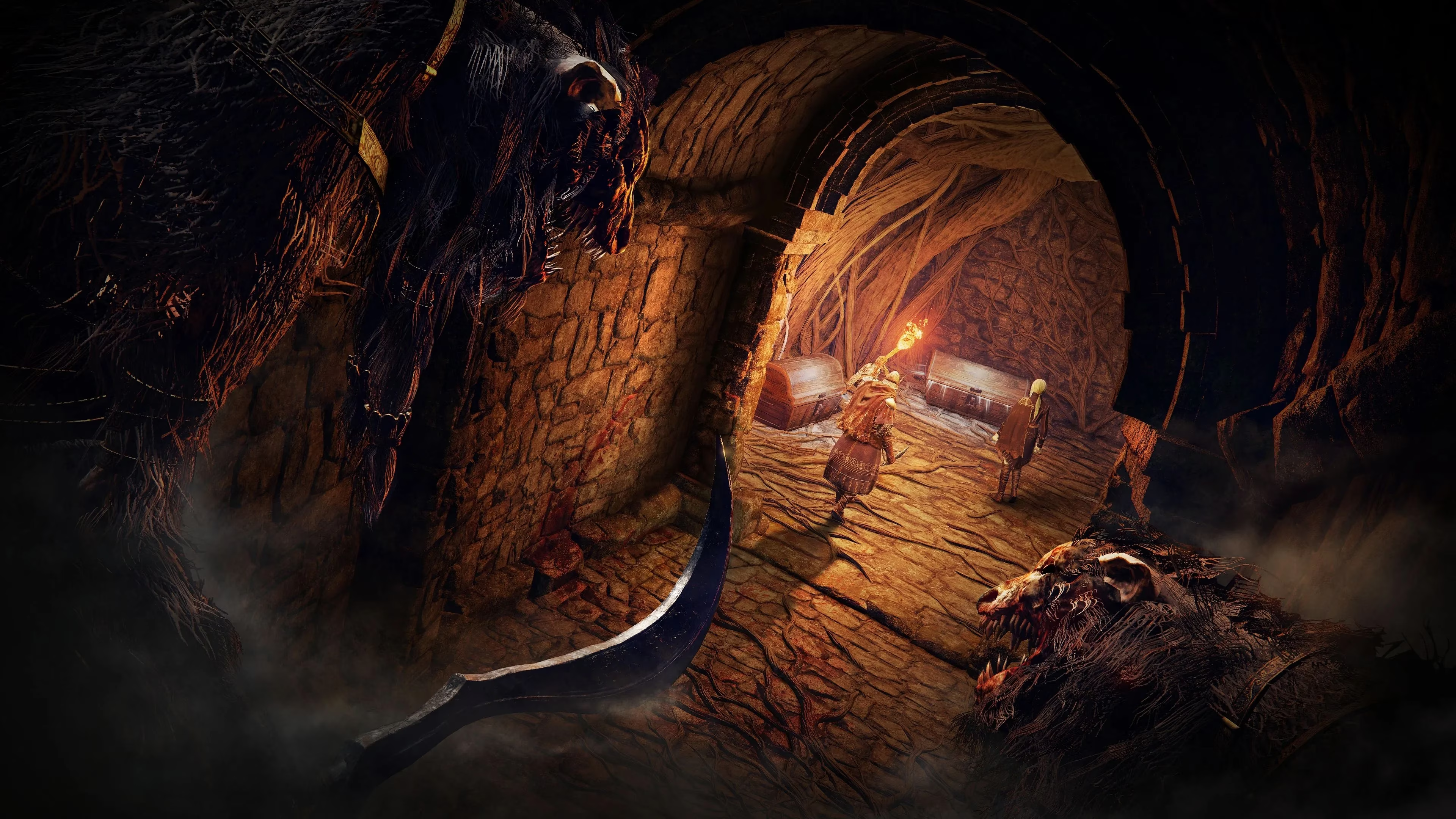
A Community Crossroads
This design philosophy raises existential questions: Will Nightreign's multiplayer focus fracture the Souls community? Can solo players find joy when optimal builds require team synergy? Does overcoming these challenges create unparalleled camaraderie—or breed new toxicity? Perhaps Nightreign isn't just testing reflexes... but our willingness to truly connect in the golden madness. 🤔