
Elden Ring Nightreign: The Forsaken Hollows Reshapes Limveld in 2026
Elden Ring Nightreign: The Forsaken Hollows reshapes Limveld with The Great Hollow, two Nightfarers, new Nightlords, and fierce returning bosses.
FromSoftware's first major expansion for Elden Ring Nightreign has moved from teaser to lived-in reality. The Forsaken Hollows was unveiled during a Sony State of Play presentation and launched on December 4, 2025, and by 2026 its impact on the game's shifting map, roster, and end-of-run boss encounters is impossible to ignore. The DLC does not simply add content to the margins of Nightreign; it tears a new wound into Limveld and invites players to descend into it.
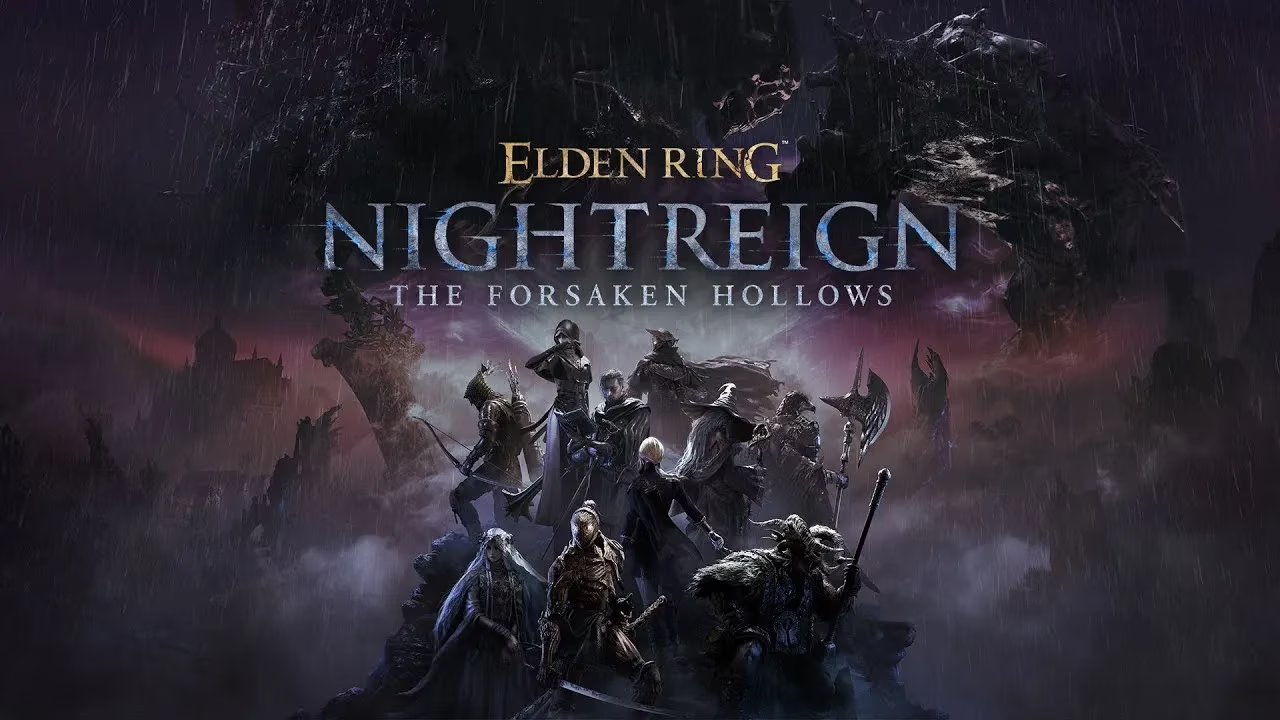
The centerpiece is an event called The Great Hollow, which transforms the entire Limveil map. The PlayStation Blog describes it as “a great cavity in the depths of Limveld,” a massive hole dominated by a large crystal and surrounded by environments that look thoroughly hostile. The reveal trailer presents quick shots of knights and caves that were absent from the base game, suggesting that the expansion is not merely a new dungeon but a reconfiguration of how a run can unfold. Is this the most ambitious structural shake-up Nightreign has received so far? The evidence points strongly in that direction.
Two New Characters Join the Fight
To survive the horrors beneath Limveld, players gain access to two new characters: The Undertaker and The Scholar. Their kits appear designed for very different approaches, which should give squads more room to experiment.
| Character | Combat Identity | Signature Ability |
|---|---|---|
| The Undertaker | Strength- and faith-based bruiser | Wields a mace; her ultimate launches her into the air to strike enemies |
| The Scholar | Less mobile, tome-focused caster | Uses a tome to lift enemies and hold them in place |
The Undertaker looks like a natural fit for players who prefer aggressive, faith-scaling pressure, while The Scholar seems built around crowd control and positional manipulation. In a co-op-focused game like Nightreign, a character who can suspend enemies in place could be just as valuable as one who can crash down on them from above. How those two roles interact with existing Nightfarers will likely define the expansion's meta well into 2026.
New Nightlords and Returning Horrors
The PlayStation Blog confirms that The Forsaken Hollows adds two new Nightlord bosses to face at the end of each run. One is described as a battalion of angelic knights wielding golden spears; the other is a twisted abomination that roars as the trailer closes. FromSoftware is apparently keeping the full surprise of that second encounter under wraps until players actually face it. That restraint is classic FromSoftware, and it raises an obvious question: what exactly is waiting at the bottom of The Great Hollow?
The expansion also reaches back into Elden Ring's recent history. The Dancing Lion boss from the Shadow of the Erdtree DLC appears in the trailer, and Artorias, the fallen knight beloved by many Souls fans, has returned as a fight. Their presence reinforces the sense that The Forsaken Hollows is not an isolated side story. The new locations and enemies look ravaged by a toxic rain consuming the world, and the giant hole in the ground appears to be the ticket for revisiting foes and ideas from the Elden Ring DLC era. If that reading is correct, the expansion may take place after the events of the main game, giving FromSoftware room to remix familiar material without simply repeating it.
A Transformed Map and a New Rhythm for Runs
The Great Hollow is more than a visual landmark. By reshaping Limveil, it changes route planning, risk assessment, and the kind of enemies squads expect to meet. The trailer's cave sequences and knight encounters suggest tighter, more claustrophobic combat in some areas, while the crystal at the heart of the cavity implies a major set-piece. For a game built around repeated runs, that kind of environmental disruption is arguably as important as any single boss.
Players in 2026 are still unpacking the expansion's longer-term effects. New weapons and spells are part of the hope raised by the DLC's premise, and the toxic rain imagery gives FromSoftware a strong aesthetic hook for status effects and environmental hazards. Will The Forsaken Hollows become the definitive way to experience Nightreign's endgame, or will it remain a demanding detour for dedicated groups? The answer depends on how generously the new Nightlords, characters, and map event are integrated into the run structure.
What the Expansion Means for Nightreign's Future
Elden Ring Nightreign – The Forsaken Hollows arrived on December 4, 2025, and its presence is still shaping discussion in 2026. The combination of a transformed Limveld, two distinct new characters, two Nightlord encounters, and returning bosses from the Shadow of the Erdtree era makes this a substantial update rather than a cosmetic add-on. FromSoftware has clearly leaned into the idea that Nightreign can be a laboratory for remixing Elden Ring's world, and The Great Hollow is the most literal expression of that philosophy yet.
For players who have already mastered the base game's rhythms, the expansion offers a fresh set of unknowns: a hole that shouldn't exist, a crystal that likely powers something terrible, and a roster of enemies that includes both angelic knights and a roaring abomination. The question is no longer whether The Forsaken Hollows changes Nightreign. It is whether players are prepared for how deep the change goes. 🕳️⚔️