
Heolstor the Nightlord: Elden Ring's Shadow of the Tarnished
Explore Elden Ring Nightreign, a haunting, parallel story blending cosmic lore, dark symbolism, and a warped universe after the Shattering, captivating players with its mysterious narrative.
Elden Ring Nightreign perches precariously on canon’s most confusing shelf, described by director Junya Ishizaki as a "completely separate and parallel" story unfolding after the Shattering. Imagine it as a funhouse mirror reflection of the original game—distorted, warped, yet hauntingly familiar. Through fragmented Remembrances, like the Executor’s lament for the fallen Erdtree, players glimpse a world left to fester in the Tarnished’s god-slaying wake. How many eons have passed since our lowly hero battled demigods? Who knows! But Nightreign gleefully dumps players into the aftermath like a toddler abandoning toys after playtime. 🎮
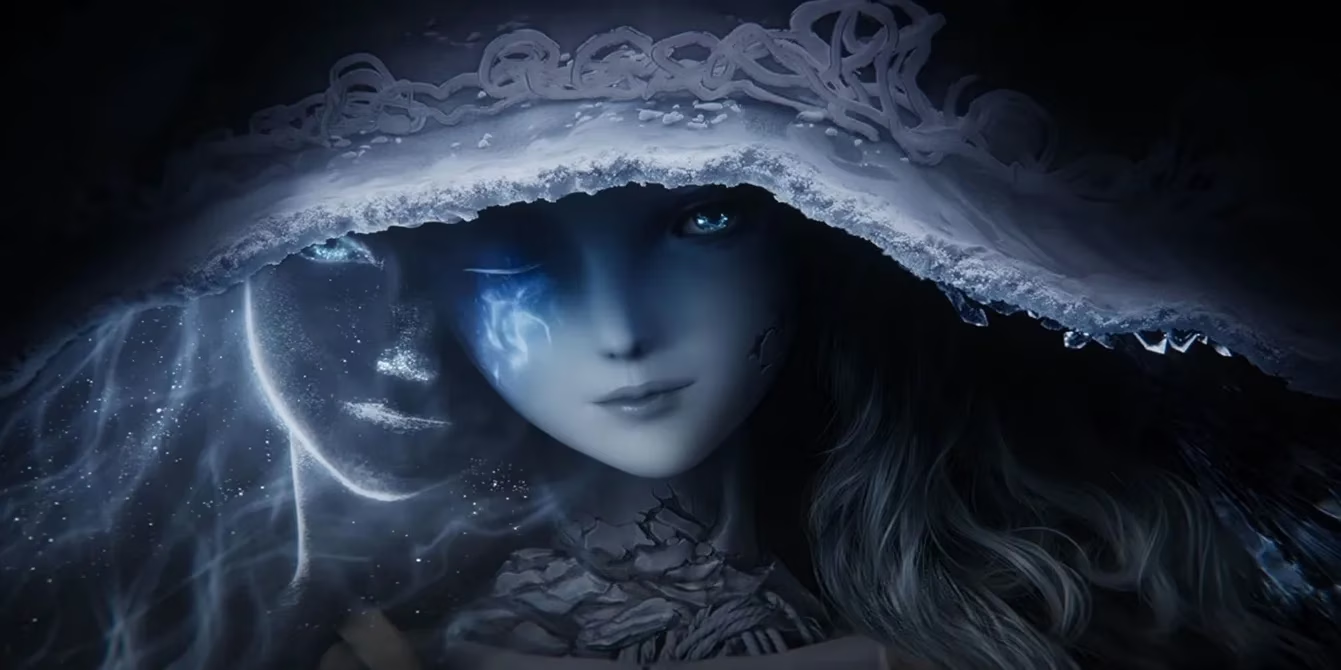
The Lunar Consort or Cosmic Nightmare?
Remember Ranni, the blue-skinned witch piloting a porcelain doll? She lured players into becoming her consort with promises of moonlit freedom. Slay assassins? Check. Raid ancient underground cities? Check. Fetch the Fingerslayer Blade like a cosmic delivery driver? Double-check. The reward? The Dark Moon Greatsword, symbolizing Ranni’s bond with her spouse. Fast-forward to Nightreign’s finale, where Heolstor the Nightlord rises—cloaked in abyssal darkness, illuminated solely by a glowing blue blade. Cue the record scratch. That weapon isn’t just similar to Ranni’s sword; it’s a dead ringer, complete with identical weapon arts. Heolstor drips with lunar iconography like a wedding cake left out in a snowstorm. But this isn’t just fashion—it’s lore screaming through a megaphone.
A Corpse Reborn, Again
Defeating Heolstor rewards the ‘Night of the Lord’ Relic, which spills his backstory in classic FromSoftware vagueness. It’s like deciphering a grocery list written by a sleep-deprived philosopher. Key details? Heolstor awoke in a ruined land, "crawling out from underneath" a mountain of corpses after being felled by an unnamed "hero." Sound familiar? It should. Our Tarnished suffered the same fate against the Grafted Scion, resurrecting in the Stranded Graveyard’s corpse pile. Both rose like stubborn weeds punching through concrete, refusing to stay dead. But while the Tarnished sought glory, Heolstor "cursed the world." The result? The Night’s Tide—a suffocating darkness swallowing the Lands Between. Eerily, this mirrors Ranni’s Age of Stars ending, which promised "the chill night that encompasses all." Coincidence? Unlikely.
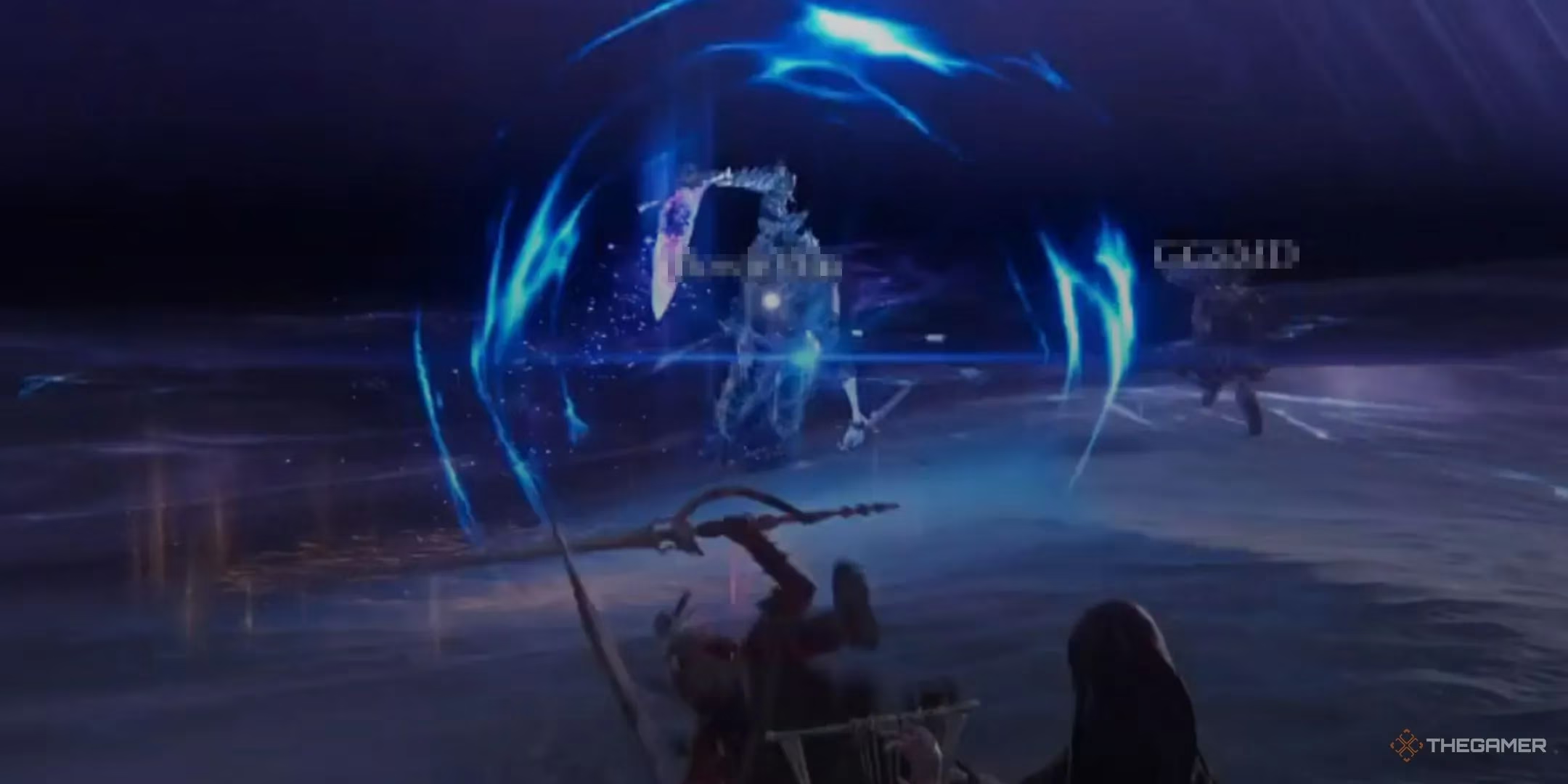
Parallel Timelines and Cosmic Tantrums
If Heolstor is Ranni’s consort, he helped ignite her starry age—a reality without the Golden Order’s tyranny. But from the perspective of Lands Between residents, this "freedom" felt apocalyptic. Burning the Erdtree? Slaying gods? It’s less liberation and more like swapping a gilded cage for a black hole. Nightreign’s "parallel" timeline suggests this is one branch of Elden Ring’s multiverse, where the Tarnished embraced Ranni’s ending rather than Frenzied Flame chaos or Duskborn decay. Heolstor could be that very Tarnished, fallen from grace and stewing in regret, now ruling a ruined world like a hermit crab in a broken shell. 🦀
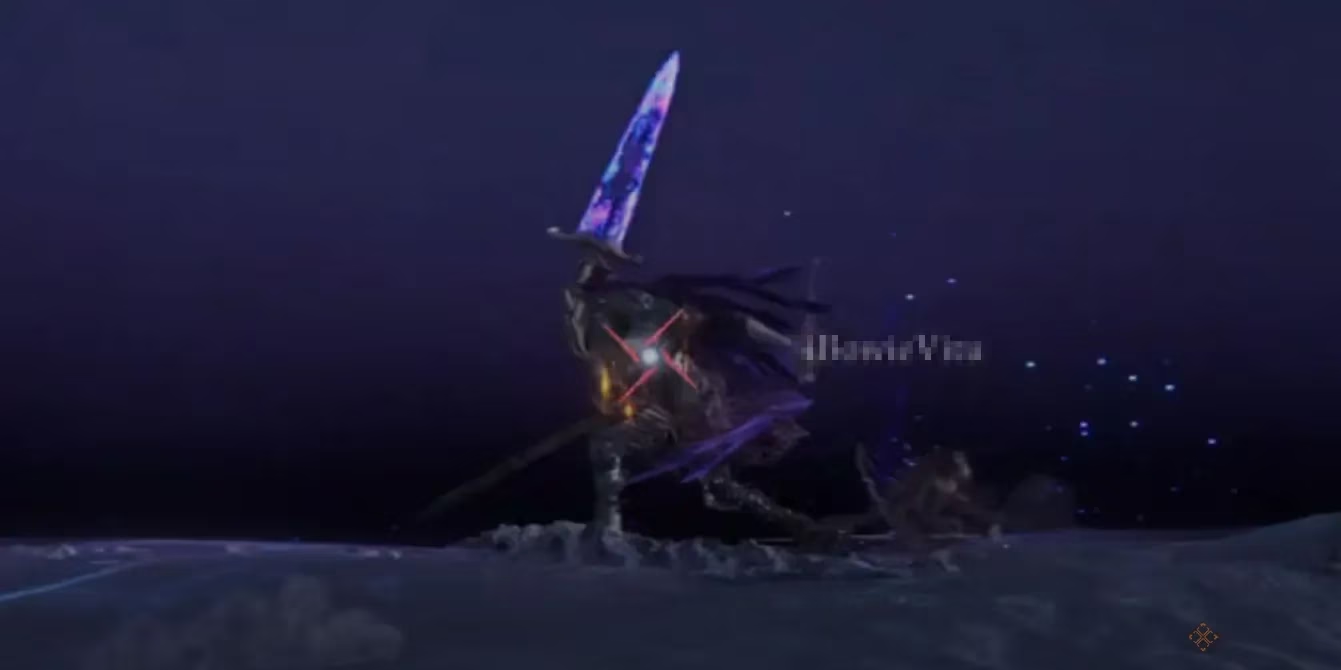
FromSoftware’s Greatest Hits Album
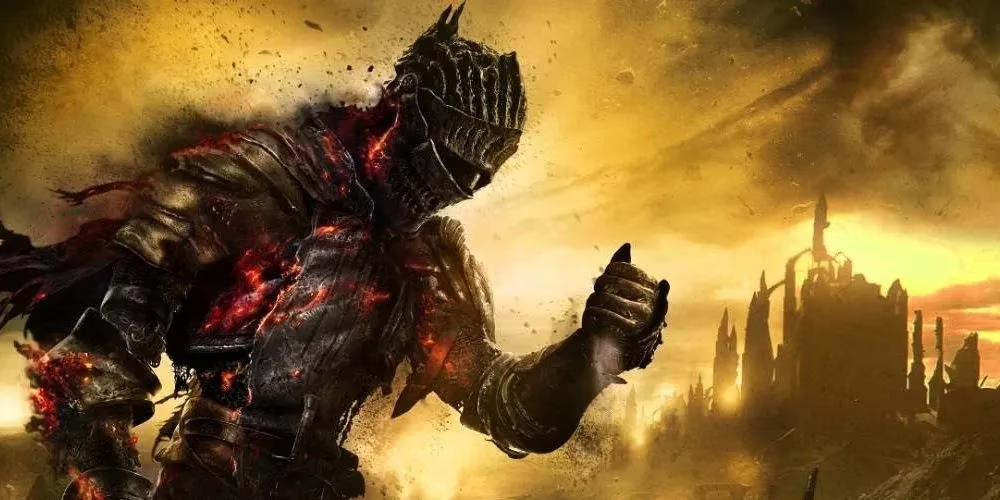
This isn’t new territory. Dark Souls 3’s Soul of Cinder boss literally embodied every player who ever linked the First Flame—a scrapbook of movesets and magic. But Souls endings were binary: link the flame or don’t. Elden Ring’s conclusions are wildly divergent, making Heolstor a specific indictment of Ranni stans. He’s every Tarnished who chose the Age of Stars (which, let’s face it, was most players), now twisted into a cautionary tale. Imagine if he’d opted for the Frenzied Flame—would he resemble a sentient wildfire juggling madness? FromSoftware’s silence on Nightreign’s canonicity feels deliberate, like a chef refusing to confirm a recipe’s secret ingredient.
Plot Holes or Hidden Truths?
Sure, there are gaps. Why call the Grafted Scion—Godrick’s frankenstein reject—a "hero"? Maybe history whitewashed its role, or perhaps its kamikaze charge against the Nightlord felt heroic in hindsight. It’s a theory that fits together like a jigsaw puzzle cut by a drunken carpenter: mostly cohesive but with a few awkward edges. Still, the evidence screams louder than an Ulcerated Tree Spirit. Heolstor’s origin mirrors the Tarnished’s journey, his weapon screams Ranni’s influence, and his curse mirrors her promised age. The conclusion? Heolstor is our Tarnished, abandoned and bitter, ruling a world he broke.
So here’s the open-ended question: If one player’s triumph can birth a godlike villain in a parallel realm, what other echoes of our choices are festering unseen in the Lands Between—waiting to rise from the shadows like forgotten regrets? 🌌