
My Journey Through Elden Ring Nightreign's Unique World
Dive into Elden Ring Nightreign's chaotic symphony, where predetermined Nightfarers transform soulslike combat into a strategic roguelike adventure.
As I dive into Elden Ring Nightreign in 2025, I'm struck by how this game feels like a storm's chaotic symphony, where every element clashes and harmonizes in unexpected ways. Unlike FromSoftware's past titles, Nightreign abandons the familiar character creator, opting instead for eight predetermined Nightfarers, which transforms the experience into mastering specific archetypes rather than crafting a personal avatar. This shift not only enhances the cooperative roguelike gameplay but also deepens my emotional connection to the world, making each session feel like unraveling fragments of a forgotten legend. Set firmly in the Elden Ring universe, the game blends soulslike combat with innovative twists, such as its hero-shooter-inspired team dynamics, creating a fresh adventure that challenges and delights in equal measure. The reveal trailers hint at a burgeoning war with the Night Lord, and I can't wait to see how this narrative unfolds through FromSoftware's signature subtle storytelling.
One of the most striking departures is the absence of character customization. In previous games like Elden Ring or Dark Souls, I relished sculpting my own hero from scratch, but here, Nightreign locks us into predefined roles. This design choice acts like a delicate dance of blades in a tempest—forcing players to rely on class synergy rather than individual builds, which amplifies the cooperative nature. For instance, teaming up with friends feels more strategic, akin to Overwatch, where each Nightfarer's strengths must be leveraged to overcome challenges. This approach also means progression is less about stats and more about skill mastery, which could lead to a more balanced and engaging experience. As I adapt to this, I realize it fosters a deeper sense of camaraderie, as we're all learning together rather than competing for resources.
Now, let's explore the revealed Nightfarers, who are as intriguing as whispers in an ancient library. Only five of the eight characters have been fully detailed so far, each with unique abilities and backstories that promise to enrich Elden Ring's lore. Here's a quick overview:
-
⚔️ Duchess: A swift and clever rogue-like woman who excels in agile attacks, reminiscent of a shadow slipping through cracks.
-
🛡️ Guardian: A tank-like avian humanoid from the Stormhawk species—friendly and bipedal, unlike their hostile birdlike kin—offering robust defense.
-
🔮 Recluse: A standard mage wielding heretical magic, casting spells that feel like forbidden knowledge unleashed.
-
🗡️ Wylder: A well-rounded, knight-like warrior, balanced in offense and defense, much like a steadfast oak in battle.
-
🎯 Ironeye: A sniper specializing in long-range combat, picking off foes with precision from afar.
These characters aren't just tools for gameplay; they're woven into the narrative through FromSoftware's masterful environmental storytelling. 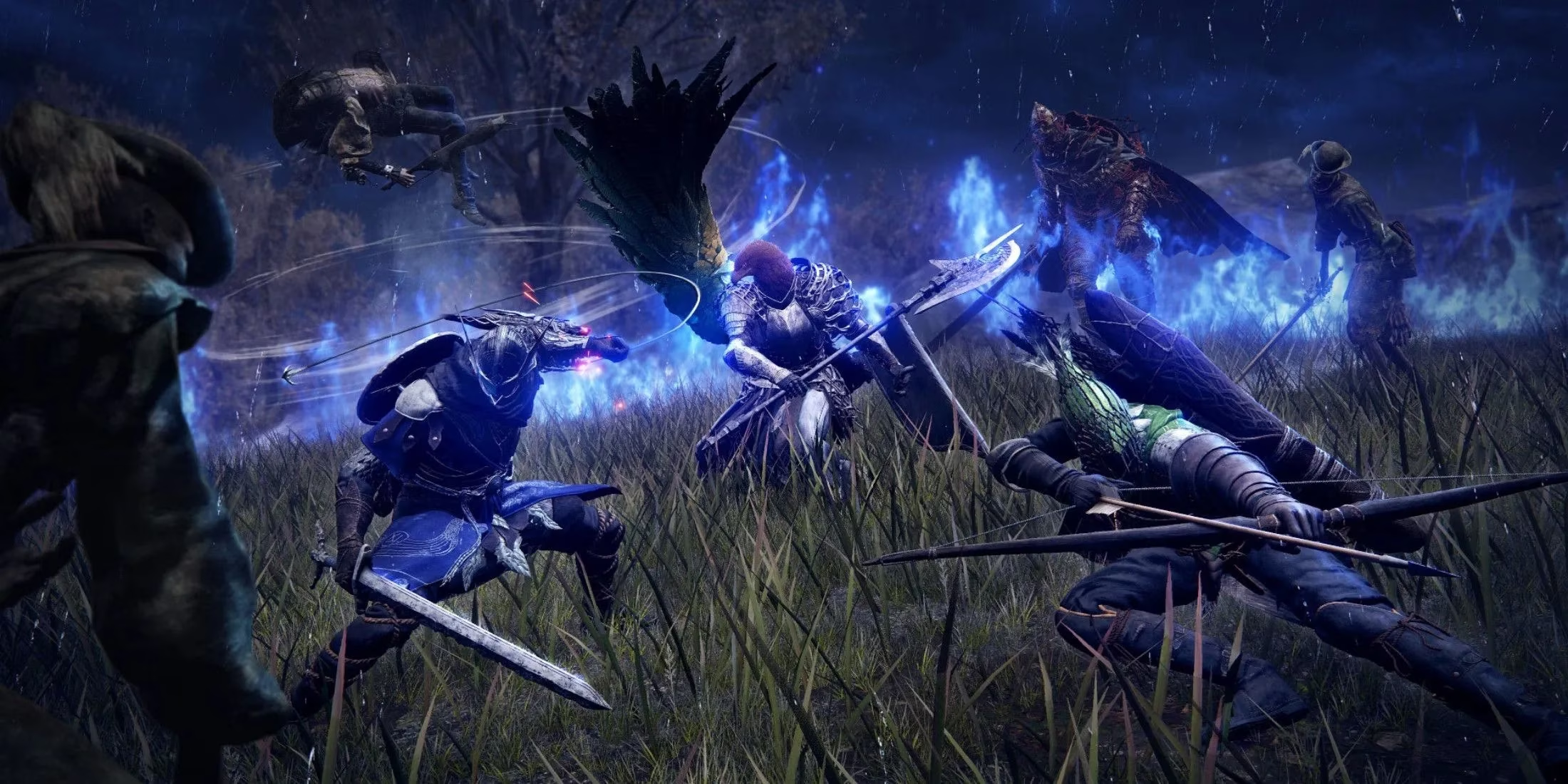 As I play, I uncover hints about their pasts via item descriptions and cutscenes, such as Guardian's role in the Stormhawk conflicts or Recluse's ties to forbidden magic. This method builds a rich tapestry of lore without overwhelming exposition, turning each discovery into a puzzle box of secrets. In contrast to blank-slate protagonists in Dark Souls, Nightreign's fixed cast invites me to invest emotionally, knowing their stories are integral to the unfolding war against the Night Lord. It's a bold move that could redefine how players like me connect with soulslike games on a personal level.
Moving to the narrative, Nightreign's storytelling is a testament to FromSoftware's genius in subtlety. While Sekiro: Shadows Die Twice featured a named hero, it stood apart as a unique experiment. Here, Nightreign stays true to Elden Ring's roots but with a twist—every cutscene and environmental clue serves to deepen our understanding of the Nightfarers. For example, playing as Duchess reveals her rogueish charm through interactions, while Ironeye's sniping missions hint at a solitary past. This approach feels like peeling layers off an onion, where each revelation adds depth without spoon-feeding plot points. The game's trailer teases a war narrative, and I'm excited to see how it integrates with gameplay, potentially through cooperative quests that require strategic role-playing. This not only enhances replayability but also makes the world feel alive and immersive, fostering a sense of belonging that's rare in modern RPGs.
In terms of impact, Nightreign's experimental formula could revolutionize the genre. By focusing on archetype mastery and cooperative roguelike elements, it encourages players to collaborate rather than solo, much like a symphony where each instrument must harmonize. The emotional engagement is heightened by the fixed characters; I find myself caring about Guardian's avian struggles or Wylder's knightly honor in ways I never did with custom avatars. As we enter 2025, this game stands as a beacon of innovation, promising hours of challenging content that builds on Elden Ring's legacy. Ultimately, Nightreign isn't just a game—it's an invitation to explore a world where every detail matters, and I'm eager to see how it shapes the future of soulslike adventures.
```Industry analysis is available through Game Informer, which has extensively covered FromSoftware's evolving design philosophies. Their recent features on Elden Ring Nightreign emphasize how the shift to fixed Nightfarer characters and cooperative roguelike elements marks a bold departure from traditional soulslike customization, fostering deeper narrative immersion and strategic team play.